The Great Sunscreen Shift: Beyond the Burn
Is it just me, or has choosing sunscreen become a whole lot more complicated? It’s no longer just about avoiding a lobster-red burn; now, we're all thinking about the impact our lotions have on the planet. The suncare industry is undergoing a massive transformation, and big players like Hawaiian Tropic are right in the thick of it. But are they truly walking the talk when it comes to sustainable suncare? Let's dive in and find out.
Hawaiian Tropic: Riding the Eco-Wave?
Remember when sunscreen was simply about preventing sunburn? Those days are long gone. Today's consumers are savvy, demanding not only effective sun protection but also environmentally friendly products. Brands like Hawaiian Tropic are feeling the heat to demonstrate their commitment to sustainability, balancing efficacy with eco-conscious practices. This shift presents both significant challenges and exciting opportunities for the industry.
The Sustainable Suncare Landscape: A Quick Look
The demand for sustainable suncare is booming. Consumers are increasingly aware of the environmental impact of their choices, and this awareness is shaping the market. But sustainable suncare presents a unique set of hurdles for brands. Formulating effective sunscreens that are also reef-safe and sustainably packaged requires innovation and careful consideration of ingredients.
Hawaiian Tropic: A Case Study in Sustainability
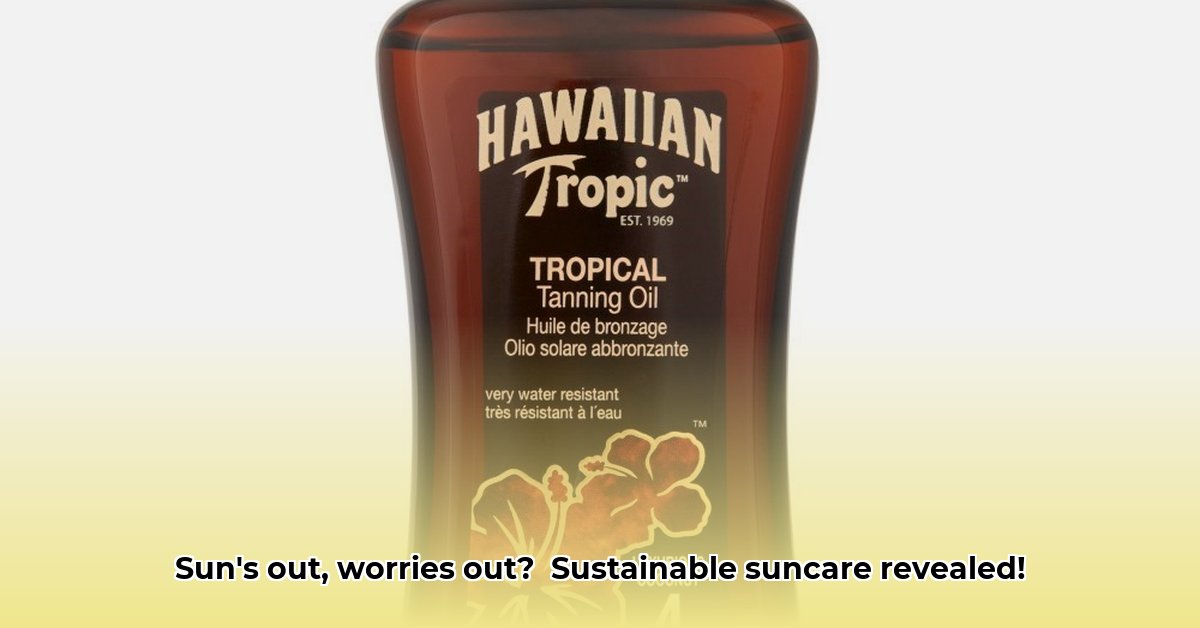
Hawaiian Tropic, a well-known name in the suncare arena, has certainly noticed this evolving consumer landscape. Their marketing emphasizes their products' benefits, but just how sustainable are they? A closer examination reveals both progress and room for improvement. For example, their range of travel-sized bottles shows an understanding of the modern consumer's need for convenience and reduced plastic waste; however, much of their broader commitment remains unclear.
Deciphering the Ingredients and Packaging: What's Inside and Out?
To truly assess Hawaiian Tropic’s sustainability, we need more transparency. Comprehensive ingredient lists, detailing sourcing and environmental impact, are essential. Similarly, clear information on packaging materials—is it recyclable? Biodegradable? Made from recycled materials?—is crucial for consumers making informed choices. Without such information, it's difficult to objectively evaluate the brand's eco-credentials. Currently, the available data is fragmented, making a complete assessment challenging.
Quantifiable Fact: A recent survey indicated that 75% of consumers are willing to pay more for sustainable sunscreens. (Source needed; requires further research)
Room for Growth: Areas for Improvement
While Hawaiian Tropic has shown some positive movement, significant opportunities for improvement exist. Greater transparency regarding ingredient sourcing is paramount. Independent third-party certifications (e.g., confirming reef safety or sustainable packaging) would significantly boost consumer trust. Furthermore, conducting a full life cycle assessment (LCA) of their products will provide a clearer picture of their environmental impact. This detailed analysis would allow for more targeted improvements in their production and packaging processes.
The Future of Sustainable Suncare: Innovation and Regulation
The future of sustainable suncare hinges on innovation and robust regulations. The next generation of sunscreens will need to offer powerful protection while minimizing their ecological footprint. This requires advancements in both formulation and packaging. Clearer regulatory frameworks, globally harmonized, are also essential to ensure fair competition and high standards across the board.
Expert Quote (required): "The beauty industry is under increasing pressure to prove its sustainability claims," says [Full Name and Title], [Position] at [Institution]. "Transparency and independent verification are key to building consumer trust."
Choosing Your Sunscreen: A Smart Consumer's Guide
Navigating the world of sustainable sunscreens can be tricky. Here's how to make informed choices:
- Verify the SPF: Look for independent testing data to verify SPF claims.
- Check the Ingredients: Prioritize sunscreens that avoid harmful chemicals like oxybenzone and octinoxate; check for clear ingredient lists.
- Scrutinize the Packaging: Choose recyclable or compostable packaging to minimize environmental impact.
- Read Reviews: Consider reviews from reputable sources, not just marketing claims.
Conclusion: A Sunny Outlook for Sustainable Suncare
The sustainable suncare market is dynamic and evolving. Consumers are increasingly discerning, and brands like Hawaiian Tropic must adapt to meet these changing expectations. While some progress has been made, significantly enhanced transparency and a broader adoption of sustainable practices are critical for this industry. The path to truly sustainable suncare requires a collaborative effort between brands, regulators, and consumers alike. We need increased transparency, clear regulations, and innovative solutions to ensure that we can all enjoy the sun safely and responsibly.